As businesses in Adelaide increasingly seek sustainable energy solutions, commercial solar panels have significantly emerged as a viable option. However, choosing the right solar panel system greatly involves careful evaluation of both efficiency and longevity. Understanding these two key factors will not only help businesses fully maximise their return on investment (ROI) but also ensure they are making a sound environmental choice. Here’s a comprehensive guide on how to evaluate the efficiency and overall longevity of a commercial solar panel.
Understanding Efficiency
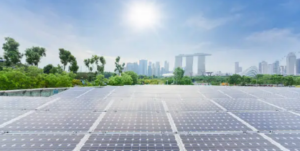 Efficiency is a measure of how well a solar panel converts sunlight into usable electricity. The efficiency rating is typically expressed as a percentage, with higher percentages indicating more effective energy conversion. For commercial solar panels, efficiency is crucial because it directly affects the entire amount of energy produced and, consequently, the overall savings on energy bills.
Factors Affecting Efficiency
- Type of Solar Cell: The type of solar cell used in the panels significantly impacts efficiency. There are three primary types of solar cells:
- Monocrystalline: Known for their high efficiency (15-22%), these panels are significantly made from a single crystal structure. They perform well in low-light conditions and have a longer lifespan.
- Polycrystalline: These panels are made from multiple crystal structures and are typically slightly less efficient (13-16%). They are generally more affordable but can be less efficient in high-temperature environments.
- Thin-Film: Although these panels are lightweight and flexible, they are the least efficient (10-12%) compared to crystalline options. However, they can be advantageous in specific applications where weight is a concern.
- Temperature Coefficient: This metric measures how much a solar panel’s efficiency decreases with increasing temperature. A lower temperature coefficient indicates better performance in hot conditions, which is vital for commercial installations in warmer climates.
- Solar Irradiance: The amount of sunlight that significantly reaches the solar panels affects their efficiency. Panels installed in areas with consistent, high solar irradiance will generally perform better than those in shaded or cloudy locations.
- Installation Quality: Proper installation is remarkably crucial for maximising efficiency. Panels must be positioned to capture the maximum amount of sunlight, with no obstructions, and at the optimal angle. A reputable installer will ensure that the system is installed correctly to enhance performance.
Understanding Longevity
Longevity refers to the lifespan of solar panels and their ability to maintain efficiency over time. Most commercial solar panels come with warranties ranging from 10 to 25 years. Thoroughly understanding the longevity of a solar panel system is essential for calculating long-term savings and sustainability.
Factors Affecting Longevity
- Quality of Materials: The high-quality materials used in the construction of solar panels significantly affect their longevity. Monocrystalline panels, for example, are known for their durability compared to thin-film panels.
- Manufacturing Standards: Panels produced by reputable manufacturers are typically subjected to rigorous quality control measures. Certifications such as ISO 9001 and UL 1703 indicate adherence to high manufacturing standards, which can correlate with longevity.
- Environmental Factors: The overall environment in which the panels are properly installed plays a significant role in their lifespan. Factors like extreme temperatures, humidity, and exposure to saltwater (for coastal installations) can all impact the longevity of solar panels.
- Maintenance: Regular maintenance and inspections can effectively prolong the life of commercial solar panels. Cleaning the panels and thoroughly checking for any potential issues can help ensure they operate efficiently over their lifespan.
Evaluating Longevity
To assess the longevity of commercial solar panels, consider these steps:
- Review Warranty Information: Look for the warranty period significantly offered by the manufacturer and what it covers. A longer warranty often indicates confidence in the product’s longevity.
- Investigate Manufacturer Reputation: Research the manufacturer’s history and customer reviews. Established companies with an excellent track record of reliability are likely to offer more durable products.
- Examine Installation and Maintenance Practices: Consider the installation company’s reputation and the maintenance practices recommended by the manufacturer. Proper care can significantly impact the panels’ lifespan.
Conclusion
Evaluating the efficiency and longevity of a commercial solar panel is essential for businesses in Adelaide aiming to make a sustainable energy investment. By understanding the factors that influence both efficiency and longevity, business owners can choose the right solar panel system that perfectly meets their energy needs and provides long-term savings. Prioritise quality materials, reputable manufacturers, and proper installation and maintenance to maximise the benefits of commercial solar panels. As more businesses slowly transition to renewable energy sources, making informed decisions about solar technology will play a crucial role in successfully achieving both financial and environmental goals.